
E-bikes and Youths

Updated: Aug 11
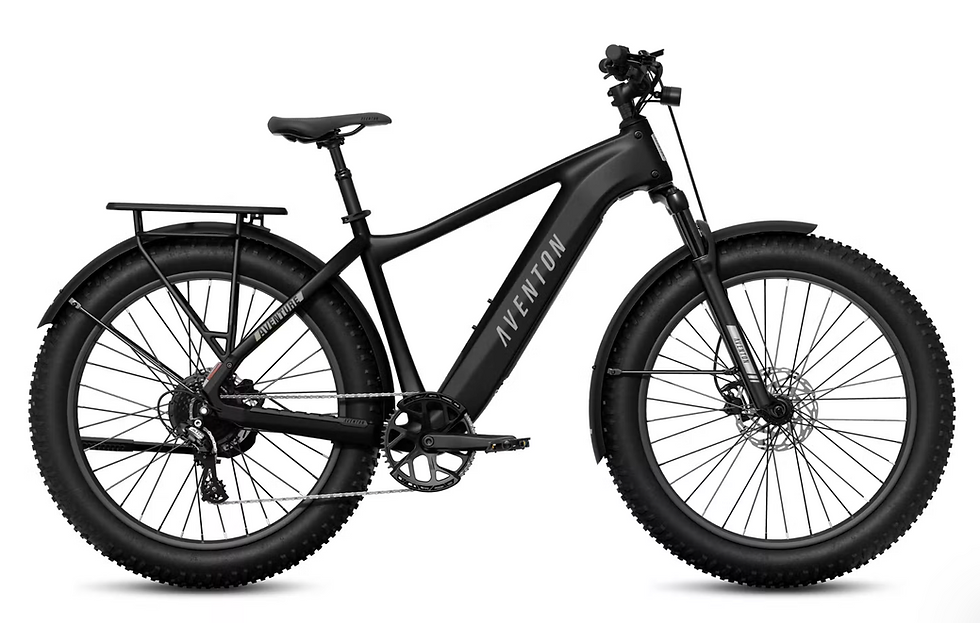
In recent years, e-bikes are coming under attack as the culprit for many crashes involving youths. But are e-bikes really the problem? The answer is: no.
Cars are a much bigger problem than bikes
Before getting into the specifics of e-bikes, one should ask: How big a problem is e-bikes compared to conventional bikes and to cars? To answer that question, the State of California commissioned the Mineta Transportation Institute to study e-bike safety. In 2025, the Mineta study concluded that e-bike crashes, injuries, and fatalities are far less common than incidents involving conventional bicycles. And, conventional bike crashes in turn are far less common than incidents involving cars. Lead study author Asha Weinstein Agrawal, PhD, explains, “California emergency room data from 2023 shows that for each electric [2-wheeled device] injury, there were 9 times more people injured by pedal bicycles and 60 times more people injured in motor vehicle incidents.” These data suggest that the focus on e-bikes is magnified out of proportion.
E-motos are the problem, not E-bikes
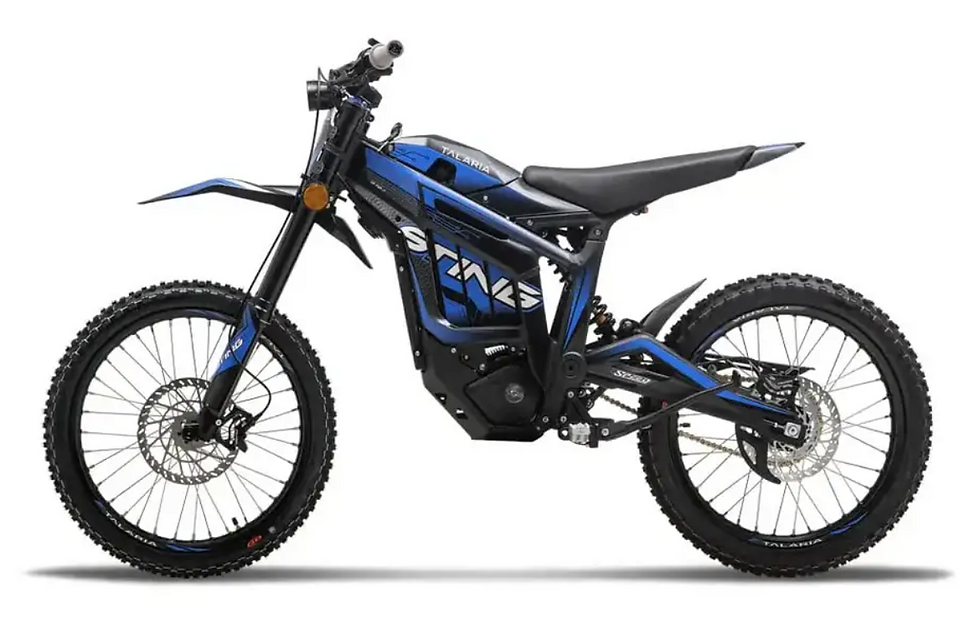
Importantly, the Mineta study emphasized that, within the realm of electric 2-wheeled devices, the key problem is e-motos, not e-bikes. E-motos are illegal devices that can go much faster and accelerate more quickly than e-bikes. E-motos can go up to 40 mph or more and has no regulation on max power. On the other hand, e-bikes are legal devices governed by state law. E-bikes are capped at either 20 mph or 28 mph, depending on class, and are limited to 750 watt.
Locally, e-bike and e-moto statistics are consistent with regional and state data. The City of Cupertino's Safe Routes To School (SRTS) Program counted e-bikes and e-motos at Cupertino high schools and middle schools. The counts reveal that the vast majority of 2-wheeled devices are traditional pedal bikes (90%). The remaining 10% are electric 2-wheeled devices. Of those electric devices, the vast majority are illegal e-motos (90%), while only 10% are legal e-bikes.
The Cupertino SRTS Program hosted a seminar by local experts on youths and e-bikes in May. Bob Mittelstaedt, Founder of E-Bike Access, says parents purchase e-motos for their children without understanding the danger they are exposing their children to. Manufactureres and retailers knowingly sell e-motos to unsuspecting parents. On the surface, e-motos can look very much like e-bikes. Even experts sometimes have trouble distinguishing between the two.
Gwen Froh, Director of SRTS for Marin County with over 20 years of experience teaching children bike safety, says youths without any education on rules of the road are unleashed with these illegal e-motos. It's no wonder they get into trouble. Even with legal e-bikes, youths should be taught that e-bikes, being heavier, take more time to stop and should not be ridden faster than a car next to them in order to avoid right hooks.
Adding to the confusion is how police and emergency room doctors report bike-related crashes. They do not distinguish among the different types of 2-wheeled devices. Some will label them simply as "bike" or "e-bike". They don't label "e-motos" and they don't distinguish among the 3 different classes of legal e-bikes. By not distinguishing among the different types of 2-wheeled devices, policy makers cannot establish effective policies. Alisa Campbell, of the Santa Clara County Public Health Department focusing on SRTS, recognizes the need for these distinctions and is working with other Bay Area counties to establish consistent and meaningful data collection.
E-bikes vs. E-motos
There are 3 classes of legal e-bikes in California. Class 1 e-bikes are pedal-assist and limited to 20 mph. Class 2 e-bikes are throttle controled, requiring no pedaling, and limited to 20 mph. Class 3 e-bikes are pedal-assist and limited to 28 mph. Youths must be at least 16 years old to ride Class 3 e-bikes. E-motos are illegal electric 2-wheelers that fall outside of the specifications of Classes 1-3 e-bikes, and cannot be ridden on city streets. The accompanying table summarizes these requirements.
device | max power | max speed | assist mode | min age |
e-bike class 1 | 750 watt | 20 mph | pedal assist | none |
e-bike class 2 | 750 watt | 20 mph | throttle | none |
e-bike class 3 | 750 watt | 28 mph | pedal assist | 16 years old |
e-moto | no limit | no limit | throttle | N/A |
Practically, even trained personnel have difficulty distinguishing between a legal Class 2 e-bike and an illegal e-moto, both of which have throttles. This difficulty has led some school districts to ban throttle devices altogether, independent of their legality. School districts in Menlo Park, San Mateo County, and Marin County have done just that.
Parents are responsible for their children's actions
When youths ride illegal e-motos or disobey traffic laws, parents and youths can both be cited. The Santa Clara County Sheriff's Office rolled out a Juvenile Traffic Diversion Program this summer in Cupertino, Saratoga, and Los Altos Hills. If the county sheriff sees youths riding in a dangerous manner, they can and will cite youths. The Juvenile Traffic Diversion Program then allows youths to erase the citation by having both youths and their parents attend a 2-hour teen-focused traffic school.
Earlier this year, parents in the East Bay were cited for knowingly allowing their children to ride illegal e-motos. In one instance, a teen crashed his e-moto into a minivan at high speed, seriously injuring himself. His parents were charged with child abuse for allowing their son to ride an e-moto. In another instance, a 12-year-old boy on an e-moto ran a stop sign and did not pull over when police tried to stop him. Police cited both the boy and his parents. Both offenses were referred to the Contra Costa County District Attorney's office for a verdict.
State legislators scramble to keep up
California state legislators are scrambling to keep up with 2-wheeled e-device use. One particularly good bill (SB 1167) puts the onus on e-device manufacturers and retailers to sell only legal e-bikes. This bill would remove e-motos from legitimate sales channels, thereby significantly reducing e-moto sales to unsuspecting parents. Another bill aims to develop an e-bike training program for middle and high schools (AB 1569).
Not all e-bike bills are good, though, as state legislators aren't all savvy about bike legislation and/or didn't comprehend the Mineta report. Luckily, most of these bad bills have died in the legislative process. One bad bill would have gone against national standards by lowering legal e-bike speed limits and power while not addressing the illegal e-moto problem. A couple of other bad bills would have required DMV registration and/or licensing of legal e-bikes, making e-bike adoption significantly harder while again not addressing the illegal e-moto problem. Thanks to CalBike, our state-level bicycle advocacy organization, for guiding state legislators on what is effective legislation.
E-bikes do effect mode shift
E-bikes have proven to effect mode shift away from cars and onto e-bikes. This mode shift is extremely beneficial to society, including climate protection, sustainable transportation, safety, and health. Any policy that California adopts needs to allow these benefits to flourish while thoughtfully addressing problems along the way. We would not want to use a blunt hammer on this issue, as New Jersey has done. (New Jersey passed legislation that requires e-bike registration and licensing, putting undue burden on riders). By encouraging the adoption of legal e-bikes and providing proper safety training to youths and adults, e-bikes will be an important way to effect mode shift away from cars.
About the Author

Sharlene Liu is Founder and Chair of Sunnyvale Safe Streets. She is dedicated to making Sunnyvale's streets safe for walking and biking. She believes children deserve the freedom to move around safely and independently.


